 Get Support
 admin
adminNavigating the updated statutory regulatory framework requires a comprehensive Labour Codes 2026 compliance checklist to protect organizations from sudden operational disruptions, severe financial penalties, and reputational damage. The consolidation of twenty-nine central labor laws into four streamlined codes fundamentally changes baseline wage structures, working hour limits, social security eligibility, and workplace safety requirements across India. To achieve full alignment, companies must immediately audit current employment contracts, overhaul payroll architecture, reconfigure leave management systems, and update digital record-keeping mechanisms. Preparing early prevents last-minute legal exposure and keeps operational workflows running smoothly.
The nationwide transition simplifies legacy regulations, but it also enforces strict uniformity across state jurisdictions. For business owners, executives, and HR professionals, adapting to these statutory shifts is no longer optional. Miscalculating basic allowances or misinterpreting statutory definitions can lead to heavy compounding interest on unpaid dues and costly administrative litigation. Adopting a structured approach ensures that every department moves forward with complete regulatory confidence.
What is the New Indian Labor Law Framework?
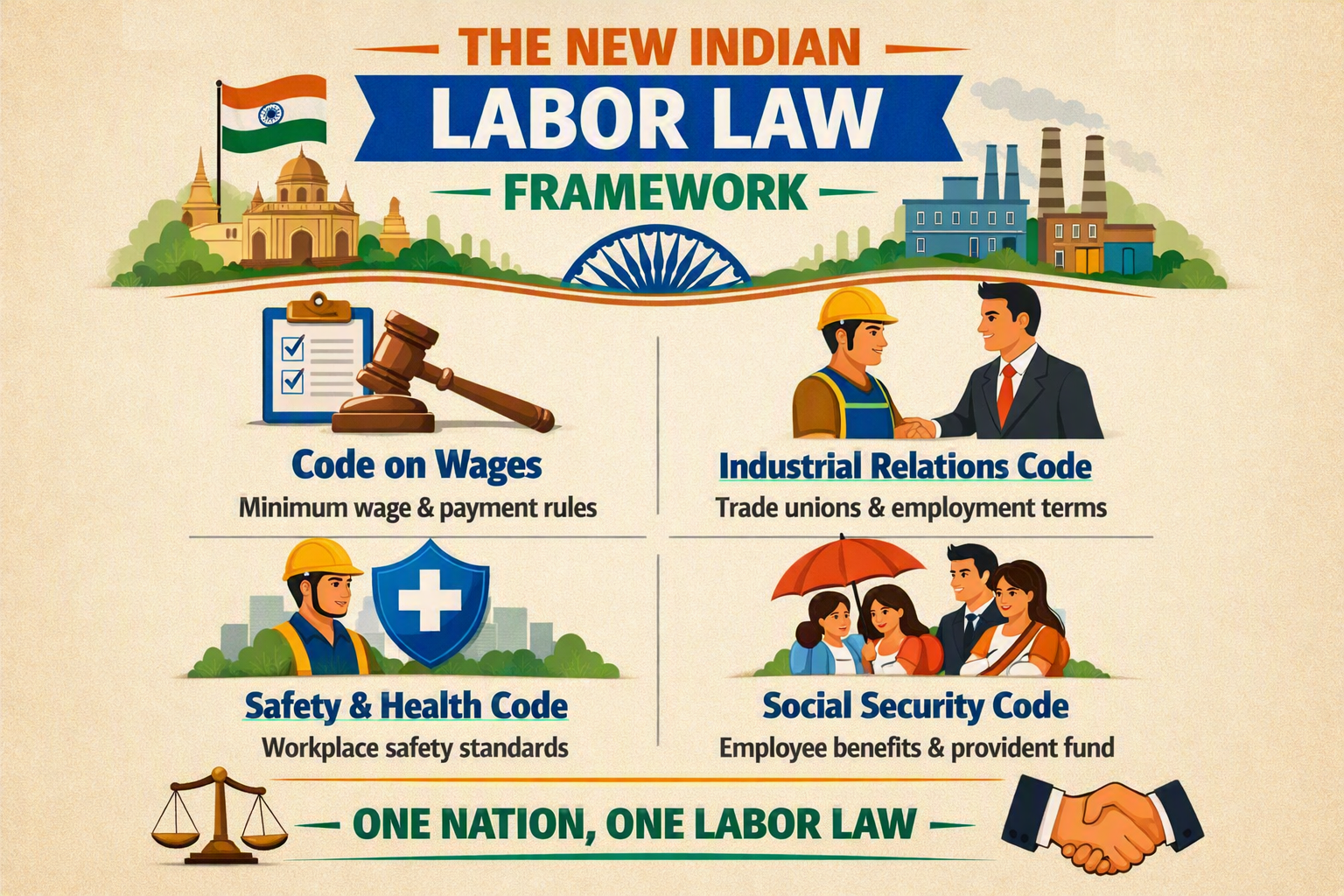
The modernized statutory setup consolidates multiple decades-old central statutes into four unified pillars: the Code on Wages, the Industrial Relations Code, the Code on Social Security, and the Occupational Safety, Health and Working Conditions Code. This structural consolidation replaces overlapping definitions of wages, employee categories, and establishment types with singular, unambiguous standards.
By establishing uniform definitions across all sectors, the framework eliminates regulatory loopholes that previously caused confusion between central and state authorities. Employers now operate under clear expectations regarding minimum wages, timely salary disbursements, statutory bonus calculations, and gender-neutral pay equity across all job roles.
Four Central Labour Codes:
- Code on Wages
- Industrial Relations Code
- Code on Social Security
- Occupational Safety, Health & Working Conditions Code
Why Modern Regulatory Compliance Matters Right Now
Non-compliance under the updated legal structure carries far stiffer monetary penalties, strict personal liability for company directors, and operational shutdown orders for repeat infractions. Traditional manual tracking methods and fragmented spreadsheets are no longer sufficient to handle complex statutory calculations across multiple office locations.
Organizations must implement a clear Labour Codes 2026 compliance checklist to evaluate current risk exposure across every business unit. Aligning internal procedures with the statutory mandate safeguards corporate reputation and prevents expensive litigation. Furthermore, transparent compliance policies build deep trust with current employees, prospective talent, and prospective investors.
Key Strategic Benefits of Statutory Alignment
Aligning corporate policies with national labor guidelines brings long-term stability and efficiency to daily enterprise operations. Organizations that complete their transition early gain significant operational advantages over slower competitors:
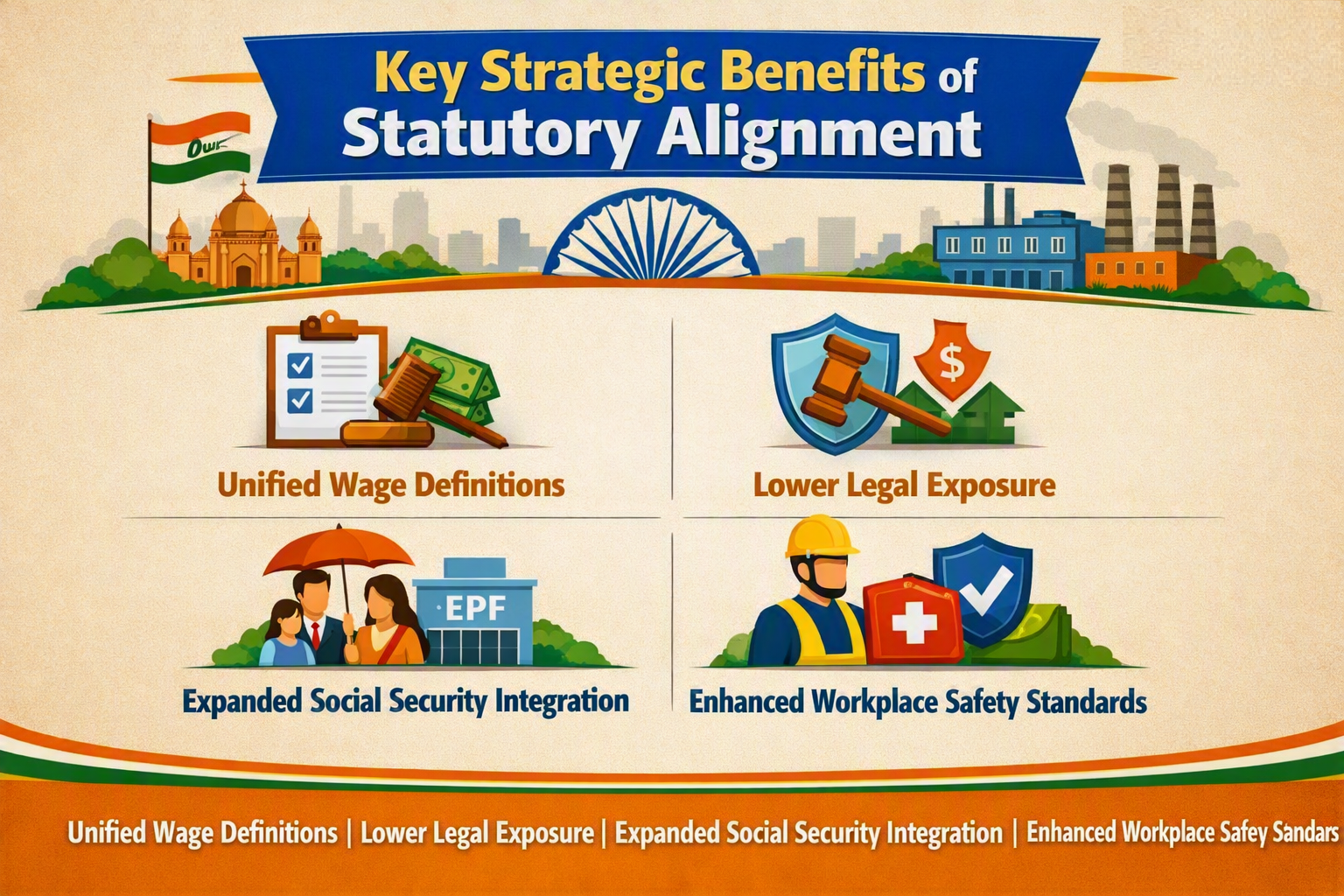
- Unified Wage Definitions: Standardized salary structures simplify payroll calculations, reducing administrative overhead and eliminating legal ambiguity across regional offices.
- Lower Legal Exposure: Systematic compliance audits prevent unexpected government inspections, costly labor disputes, and severe statutory fines.
- Expanded Social Security Integration: Broadened definitions ensure fixed-term employees, gig workers, and platform staff receive proportional statutory benefits effortlessly.
- Enhanced Workplace Safety Standards: Standardized health protocols create safer physical working environments, boosting worker retention and overall productivity.
How to Execute the Compliance Process Step by Step
Transitioning an enterprise to meet updated statutory expectations requires a methodical, multi-phase operational execution plan:
- Audit Existing Salary Structures: Review employee compensation breakdown to ensure basic pay plus dearness allowance equals at least fifty percent of total gross remuneration.
- Revise Employment Contracts and Standing Orders: Update appointment letters, non-disclosure agreements, and internal HR handbooks to reflect revised overtime rates, working hour caps, and mandatory rest intervals.
- Overhaul Leaves and Resignation Pay: Adjust leave encashment calculations and update exit processing systems to clear full final settlements within two working days of an employee leaving.
- Deploy Digital Tracking Systems: Automate real-time tracking for work hours, overtime logs, statutory filings, and register maintenance through a centralized digital engine like Timelabs.
To simplify recurring deadlines, teams can maintain alignment through a dedicated Compliance Calendar. Integrating continuous tracking modules like agentic AI HR allows companies to detect structural payroll anomalies, cross-reference state rules automatically, and correct filing errors before statutory deadlines pass.
Best Practices for Enterprise Implementation
Executing a smooth statutory transition requires clear cross-departmental coordination between legal teams, payroll managers, and corporate leadership. Organizations should follow these field-tested operational strategies:
- Restructure Allowance Portions Early: Reallocate excess allowance components into basic wages in a phased manner to avoid sudden spikes in corporate Provident Fund and Gratuity contributions.
- Centralize Statutory Record Keeping: Replace physical attendance ledgers with automated, tamper-proof digital registers that store worker details, wage slips, and overtime hours securely.
- Train Internal Operations Teams: Conduct practical workshops for line managers to ensure they understand revised shift patterns, maximum weekly hours, and formal approval steps for overtime.
- Incorporate Advanced HR Analytics: Utilize data-driven HR Analytics tools to monitor compensation trends, track employee benefit liabilities, and forecast long-term financial impacts accurately.
Common Mistakes Organizations Must Avoid
Many companies delay critical updates due to a lack of clarity surrounding state-specific notifications and regional rules. One frequent error is neglecting fixed-term contract workers, who are now legally entitled to proportionate statutory gratuity benefits after completing just one year of service rather than five.
Another dangerous practice is keeping basic pay below the mandatory threshold while inflating non-statutory allowances to lower contribution costs. Modern inspection systems flag these imbalances instantly. Utilizing robust Core HR Software ensures that baseline salary components are calculated correctly across every payroll cycle without manual intervention.
Who Needs to Execute This Transition Immediately?
The unified statutory guidelines apply broadly across every corporate, commercial, and industrial sector operating within India. Organizations of all sizes must take active steps to align their human resource procedures:
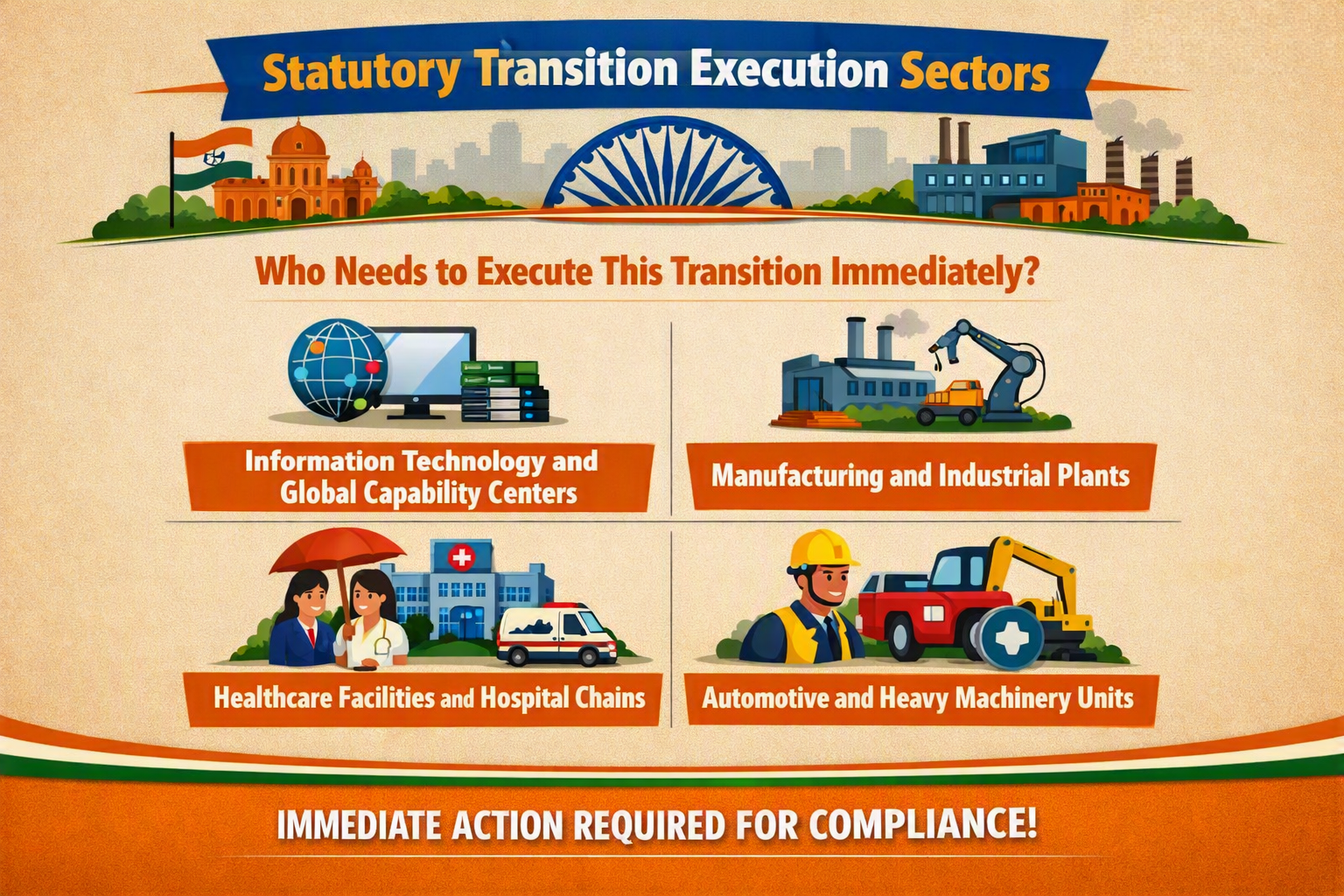
- Information Technology and Global Capability Centers: Firms managing round-the-clock shift schedules must update flexible working rules, overtime calculations, and leave carry-forward policies.
- Manufacturing and Industrial Plants: Operations running continuous factory floors must recheck safety compliance, shift rotation limits, and statutory welfare facility requirements.
- Healthcare Facilities and Hospital Chains: Medical institutions employing varied shift staff must streamline attendance logging, emergency overtime records, and rest day tracking.
- Automotive and Heavy Machinery Units: Manufacturing plants with large blue-collar workforces need clear tracking systems to handle worker registers, apprentice payouts, and union relations smoothly.
Enterprise platforms built by Timelabs assist organizations across these sectors in automating complex statutory rules, streamlining attendance tracking, and maintaining audit-ready employee data effortlessly.
Conclusion
The shift toward modernized labor regulations represents a vital turning point for business operations across India. By working through a detailed Labour Codes 2026 compliance checklist, companies eliminate operational vulnerabilities, streamline payroll management, and build stronger relationships with their workforce.
Proactive organizations that replace outdated manual routines with specialized automated platforms maintain complete regulatory readiness. Leveraging modern systems like Timelabs ensures long-term operational resilience, exact statutory calculations, and stress-free compliance management.
Frequently Asked Questions
Q1. What is the fifty percent basic salary rule under the updated labor codes?
Ans: The rule mandates that basic pay plus dearness allowance must comprise at least fifty percent of an employee’s total gross remuneration package. Any excess allowances above fifty percent are automatically added back into the statutory wage pool, directly affecting Provident Fund, National Pension System, and Gratuity contribution amounts.
Q2. How do the revised guidelines impact employee exit pay timelines?
Ans: The updated framework requires employers to disburse all final wages, unpaid allowances, and statutory dues within two working days of an employee’s resignation, dismissal, or retirement. Companies must reconfigure their exit approval workflows and final settlement systems to comply with this tight timeline without missing payment deadlines.
Q3. Are fixed-term employees entitled to statutory gratuity payouts?
Ans: Yes, fixed-term workers are granted statutory gratuity benefits on a pro-rata basis if they complete one full year of continuous service under their employment contract. This marks a major change from traditional rules, which required a minimum continuous service period of five years.
Q4. How do the new rules affect weekly working hours and overtime limits?
Ans: The statutory setup caps daily working hours while allowing flexible weekly structures, such as four-day or five-day work weeks, provided total weekly hours do not exceed statutory maximums. Any work performed beyond regular daily hours requires overtime pay at double the ordinary wage rate.
Q5. What digital registers must companies maintain for government inspections?
Ans: Organizations are required to keep unified digital records covering employee details, attendance logs, daily working hours, overtime payouts, wage slips, and safety inspection logs. These electronic registers must be easily accessible for online verification by statutory inspectors at any time.