 Get Support
 admin
adminThe Digital Personal Data Protection Act 2023, widely known as the DPDP Act, creates a strict legal framework for HR compliance when processing employee information across Indian enterprises. Under this law, employers are data fiduciaries, while job applicants, current staff, and former workers are data principals. Every organization storing salary details, performance reviews, or identity copies must align internal systems with statutory provisions. Penalties for non-compliance reach up to 250 crore rupees per violation, making immediate administrative adjustments essential for corporate risk management.
Understanding the DPDP Act 2023 in the Context of Human Resources
The Digital Personal Data Protection Act establishes a regulatory structure governing how digital personal records are collected, handled, and stored within India. Human resources departments manage vast volumes of personal identification data daily. These include Aadhaar cards, PAN card numbers, bank account documentation, medical history records, biometric attendance logs, and background check files.
Under the legislation, the employer holds primary legal responsibility for maintaining data integrity and security. Even routine HR operations must align with purpose limitation guidelines. Organizations can no longer store candidate resumes indefinitely after recruitment drives end or collect personal information without explicit, clear context.
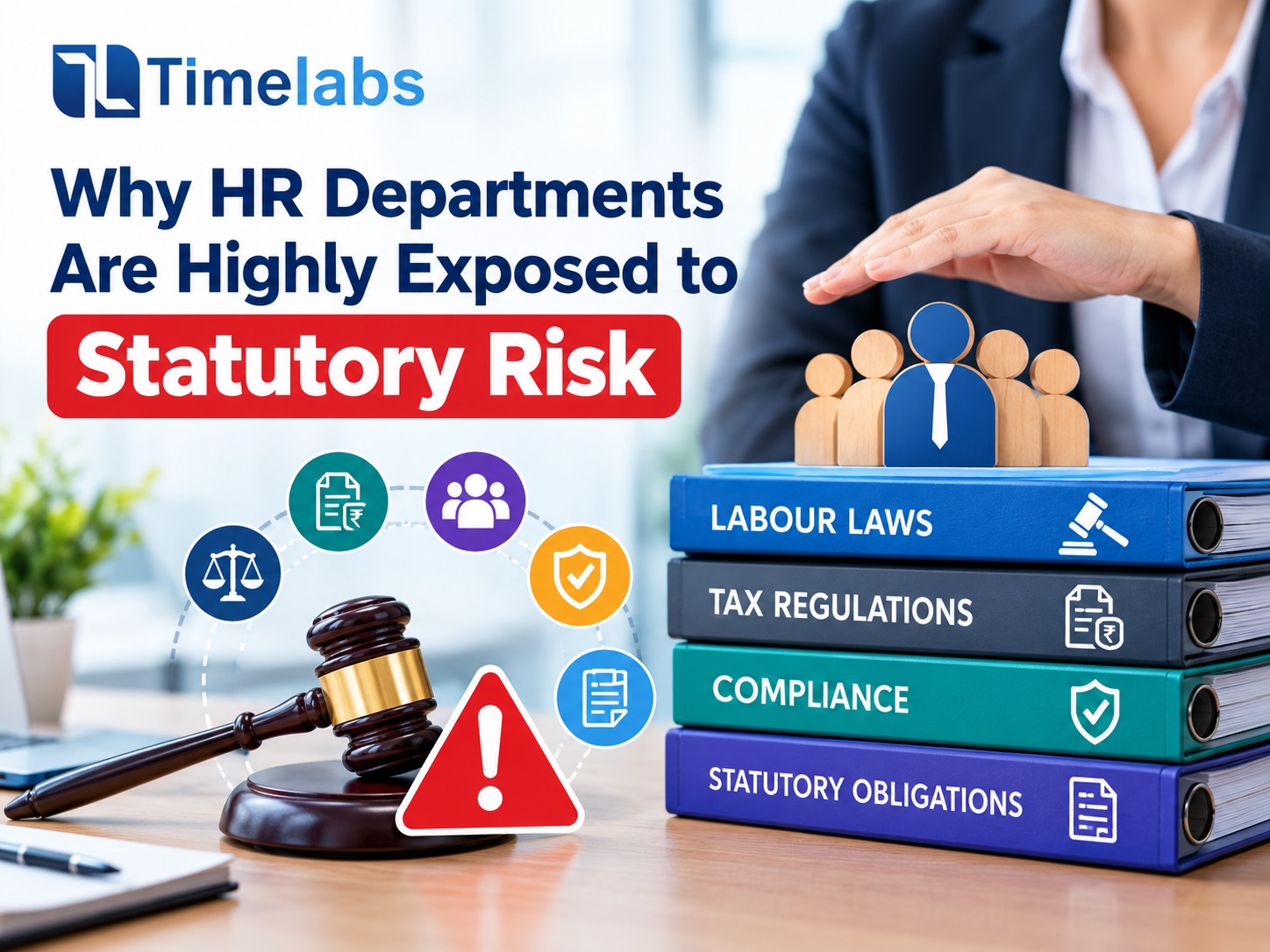
Why HR Departments Are Highly Exposed to Statutory Risk
HR departments interact with third-party vendors constantly. Recruitment portals, background verification agencies, insurance providers, and external payroll vendors process employee personal data daily. If an external partner suffers a security leak, the primary employer remains legally liable for the incident under statutory rules.
Modern organizations rely on multiple digital touchpoints to manage workforce operations. Using legacy systems, unsecured spreadsheets, or unencrypted email chains increases the probability of accidental data exposure. The Act mandates that organizations must implement technical and organizational safeguards to prevent unauthorized access.
The overall risk extends across both internal operations and external partnerships. Internally, HR departments store biometric scans, tax documents, and performance appraisals. Externally, third-party partners handle insurance claims, background verification checks, and offsite payroll calculations. When a security gap occurs anywhere along this chain, statutory liability and fines up to 250 crore rupees fall directly on the employer.
Key Categories of HR Data Covered Under the Law
Employee data handling requires systematic classification across multiple operational buckets that demand strict security protocols:
- Identity Records: Documents such as Aadhaar, PAN, passport copies, and voter IDs carry high operational risks related to identity theft and improper access sharing.
- Financial Details: Information including bank account numbers, tax disclosures, and salary slips presents risks of unauthorized salary visibility and financial fraud.
- Biometric Logs: Data like fingerprint scans and facial recognition logs must be protected against unencrypted cloud syncing and physical security breaches.
- Health Information: Personal files including insurance claims, disability forms, and fitness certificates require strict safeguards against purpose creep and unauthorized disclosure.
- Performance Data: Historical files such as appraisals, disciplinary logs, and promotion records need regular management to prevent storage retention violations.
Critical Action Items HR Teams Must Fix Immediately
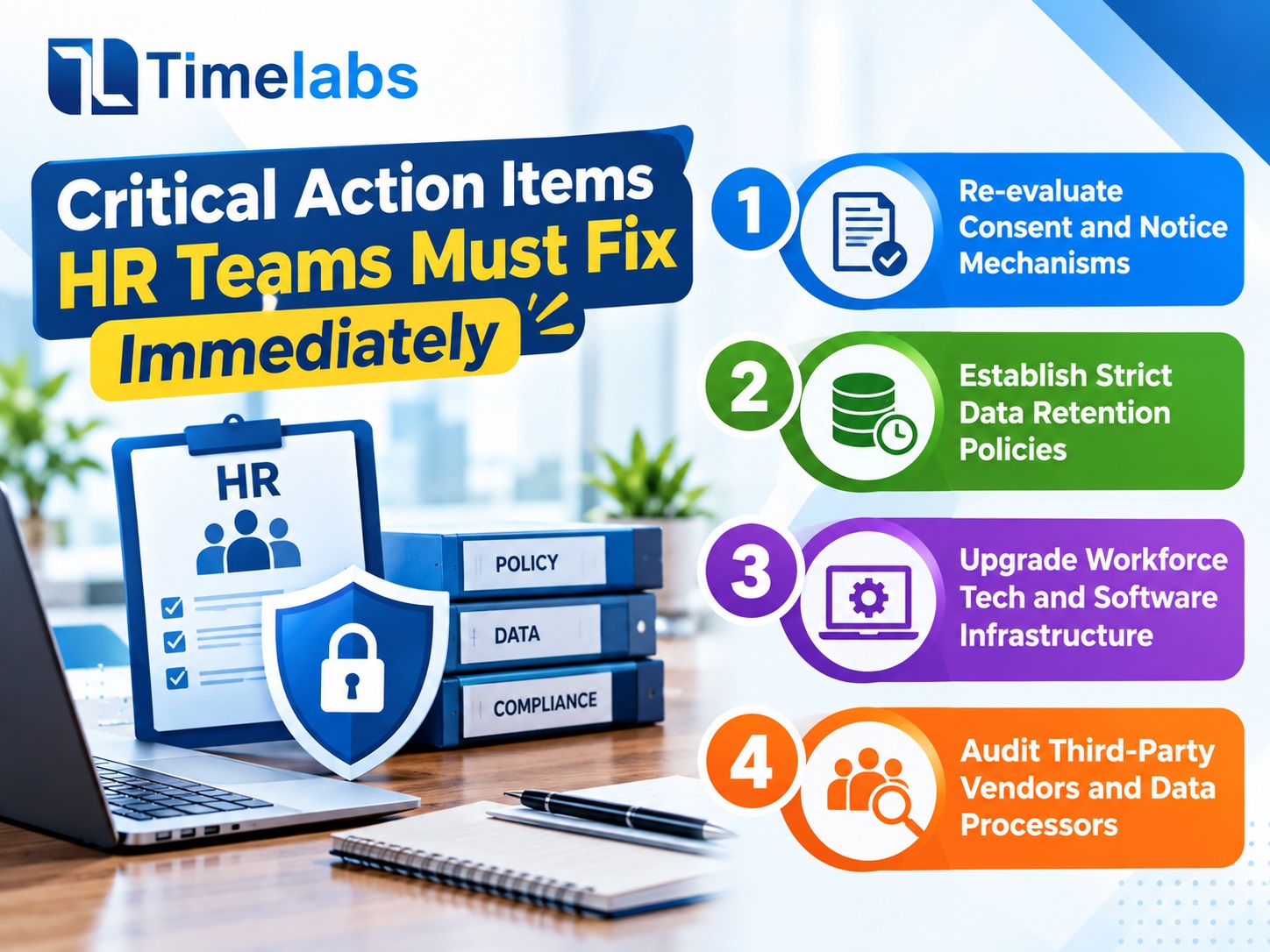
1. Re-evaluate Consent and Notice Mechanisms
The statutory framework requires clear, plain-language notices whenever personal records are requested. Broad clauses in older offer letters stating general consent are no longer sufficient. HR teams must issue explicit, standalone notices detailing exact processing purposes. While legitimate use provisions allow certain data handling for routine employment functions, collecting non-essential personal information still demands separate authorization.
2. Establish Strict Data Retention Policies
Employers must eliminate unnecessary historical records. When an applicant is rejected, their resume and personal identification files must be deleted within a defined timeframe unless statutory retention rules dictate otherwise. Similarly, records of former employees must be archived or purged based on tax, labor, and corporate compliance schedules.
3. Upgrade Workforce Tech and Software Infrastructure
Legacy manual systems or insecure digital databases create severe compliance exposure. Modern enterprises require centralized platforms with built-in role-based access control, end-to-end data encryption, and automatic audit logging. Adopting specialized HR Software allows companies to enforce data security controls, streamline consent logging, and safeguard records against security breaches.
4. Audit Third-Party Vendors and Data Processors
Organizations must execute updated Data Processing Agreements with every external vendor touching employee records. Vendor agreements must outline security standards, data destruction mandates, and immediate incident notification timelines. Regular vendor security audits ensure external partners maintain compliance standards equal to internal policies.
Practical Checklist for HR Compliance
To avoid regulatory penalties, HR leaders should systematically complete the following operational steps:
- Conduct a comprehensive inventory mapping every digital and physical file location where worker records reside.
- Update employment contracts, onboarding forms, and employee handbooks to include transparent data privacy notices.
- Restrict administrative access to sensitive salary records and background verification files using strict role-based authorization.
- Deploy modern software to automate payroll calculation while keeping tax and banking data encrypted.
- Implement a formal Data Subject Request procedure allowing employees to review, correct, or update their personal files.
- Establish a documented data breach response plan that defines escalation pathways and incident reporting protocols.
- Schedule mandatory compliance training sessions for HR personnel, IT managers, and team leaders handling personnel files.
Streamlining Payroll and HR Security Operations
Managing employee data privacy manually creates operational friction and human error. Modern compensation processing demands advanced technology that protects financial information while automating statutory calculations. Implementing dedicated Payroll Software India solutions enables enterprise teams to manage tax deductions, salary disbursals, and provident fund filings through secure, encrypted channels.
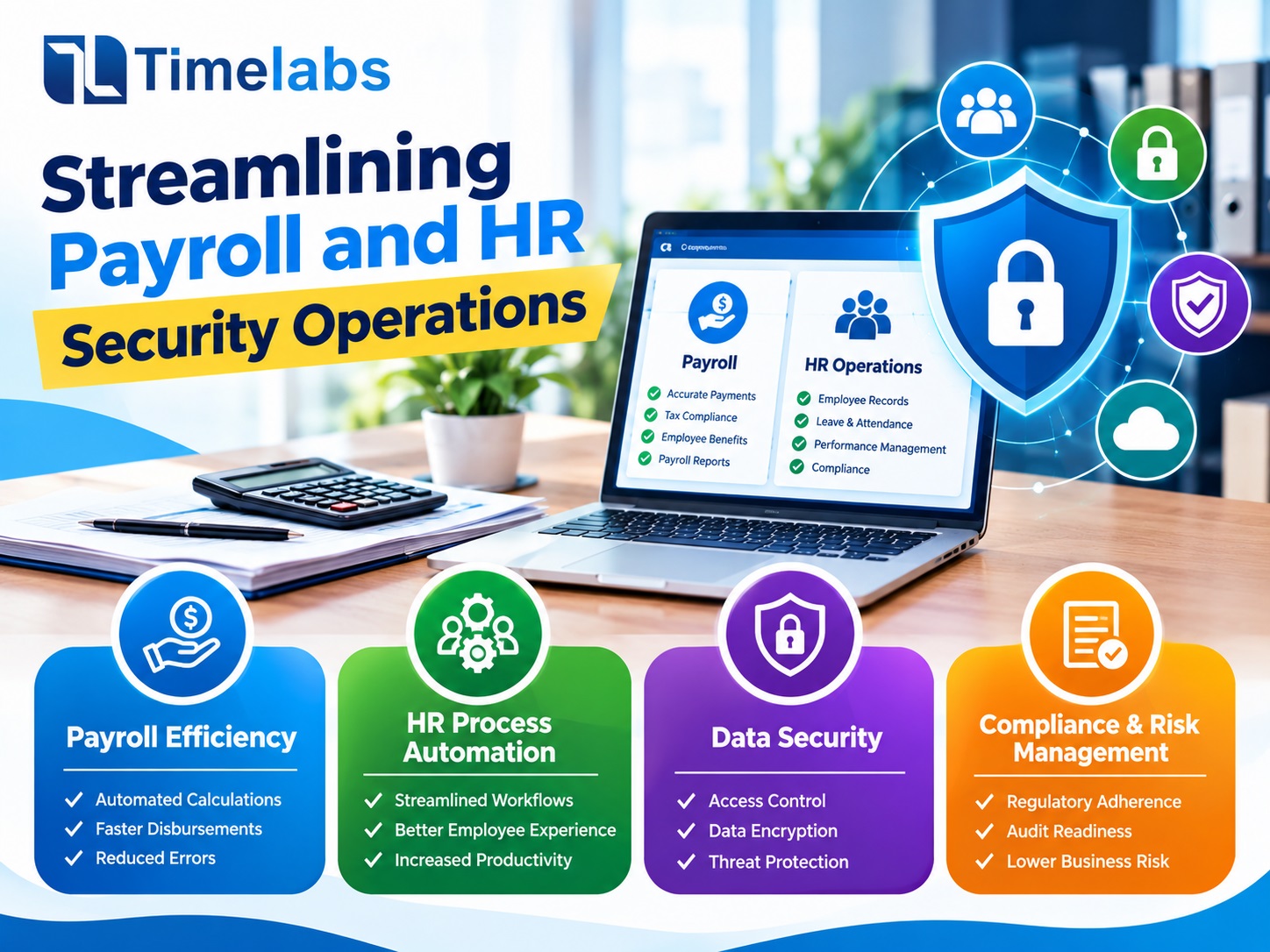
Modern HR infrastructure relies on four core operational pillars:
- Maintaining a centralized employee directory secured with end-to-end encryption.
- Restricting HR access using role-based permissions to protect sensitive personal details.
- Automating salary and tax calculations through secure, specialized software platforms.
- Running regular audit logs to enforce data retention and access policies consistently.
When selecting software platforms, technology leaders must prioritize systems designed around Indian statutory requirements and security best practices. Timelabs offers enterprise-grade architecture that helps organizations manage attendance, performance, and salary records securely. Built-in access controls and automated data mapping help businesses eliminate compliance gaps across the entire employee lifecycle.
Transitioning to unified digital systems reduces reliance on unencrypted spreadsheets, protecting companies from penalty risks. Timelabs delivers robust data protection capabilities, making it easier for human resource professionals to maintain full administrative visibility while respecting privacy mandates.
Common Implementation Mistakes to Avoid
- Assuming Standard Employment Contracts Cover Everything: Continuing to use old offer letters without detailed privacy disclosures leaves organizations vulnerable during regulatory audits.
- Ignoring Physical Files: Converting paper files into unsecured digital PDFs without encryption creates easy targets for unauthorized internal access.
- Neglecting Temporary Workers and Interns: Privacy regulations cover all individuals whose data is processed, including contract staff, gig workers, and interns.
- Failing to Track Vendor Compliance: Assuming external software vendors handle security independently without signing formal data processing contracts increases corporate liability.
- Over-retaining Former Staff Data: Retaining financial or background records longer than legally required violates storage limitation requirements.
The Strategic Role of IT and HR Alignment
Achieving complete compliance requires tight collaboration between HR executives and IT security teams. HR managers understand operational data workflows, while IT teams oversee network security, encryption keys, and system permissions. Working together ensures internal policies align with technology deployment.
By adopting secure software platforms like Timelabs, enterprises streamline workforce management while building verifiable audit trails for regulatory reviews. Achieving full DPDP Act HR compliance converts regulatory challenges into a competitive advantage by demonstrating operational excellence to employees, clients, and partners.
Must Read: Labour Codes 2026: A Practical Compliance Checklist for Indian Employers
Conclusion
The Digital Personal Data Protection Act requires Indian companies to rethink how employee data is handled across its life cycle. From onboarding forms to payroll records and vendor contracts, every process must be evaluated for security risks and statutory alignment. Delaying system updates exposes organizations to heavy administrative fines and reputational damage.
Achieving full DPDP Act HR compliance starts with auditing current data flows, updating internal agreements, and deploying modern software designed for enterprise security. By making these operational corrections today, HR and IT leaders ensure business continuity while fostering a transparent, trust-based workplace environment.
Frequently Asked Questions
Q1. Does the DPDP Act apply to small and medium businesses in India?
Ans: Yes. The legislation applies to all entities operating within India that collect or process personal data digitally. Company size does not grant exemptions from data security, consent notices, or employee data access requirements. Small businesses handling employee records must follow the same core compliance standards as large enterprises.
Q2. Do employers need explicit consent for processing standard payroll data?
Ans: Routine payroll data processing required by statutory law, such as tax deduction or provident fund filing, falls under legitimate use provisions. However, employers must still issue clear notice to employees explaining what personal information is processed and how it is used for financial operations.
Q3. What happens if an external background check agency leaks employee data?
Ans: The employer remains the primary data fiduciary and stays legally liable for data breaches occurring at third-party processors. While contractual claims may exist against the vendor, regulatory authorities hold the primary organization accountable for failing to enforce adequate vendor security controls.
Q4. How long can an organization keep resumes of unselected job applicants?
Ans: Unselected candidate resumes must be erased once the recruitment process concludes, unless explicit consent is secured to retain records for future openings. Holding candidate files indefinitely without consent violates storage limitation mandates outlined in the statutory framework.
Q5. What rights do current employees have regarding their personal files?
Ans: Employees have the right to request a summary of personal information being processed, correct inaccurate details, and update personal files. They can also request grievance redressal if they suspect improper handling of their personal information.